
Biden Administration’s Plans to Expand Glyphosate Production Raise Concerns Among Environmentalists and Farmers
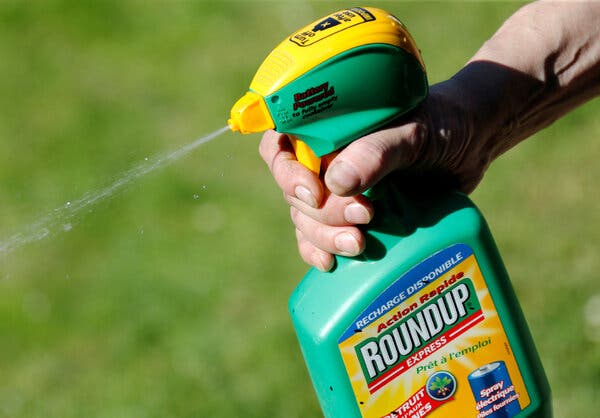
The White House has announced a new executive order aimed at boosting the production of glyphosate, a key ingredient used in widely popular herbicides such as Roundup. The move is part of a broader effort by the Biden administration to promote domestic manufacturing and reduce reliance on foreign suppliers.
According to sources within the administration, the order seeks to increase the availability of glyphosate through a combination of measures, including relaxed regulatory requirements for its production and increased funding for research into new uses for the chemical. Glyphosate is used extensively in agriculture to control weeds and pests, but it has also been linked to environmental concerns and human health risks.
Background: Glyphosate’s Rise to Prominence
Glyphosate was first introduced in the 1970s as a broad-spectrum herbicide by Monsanto (now owned by Bayer). It quickly gained popularity among farmers due to its effectiveness and low cost. Today, it is one of the most widely used pesticides globally, with over 1 billion pounds applied annually.
However, concerns about glyphosate’s impact on human health and the environment have grown in recent years. Studies have linked exposure to the chemical to increased cancer risk, reproductive issues, and damage to ecosystems. The World Health Organization (WHO) has classified glyphosate as “probably carcinogenic to humans,” while the European Union has banned its use for cosmetic purposes.
Biden Administration’s Plans: Boosting Glyphosate Production
The White House argues that boosting glyphosate production will help reduce reliance on foreign suppliers, particularly China, which is currently a major producer of the chemical. The executive order also aims to create jobs and stimulate economic growth in rural areas by increasing demand for agricultural inputs.
Critics, however, argue that the move will only exacerbate environmental concerns and contribute to the further degradation of ecosystems. “Glyphosate is a toxic substance with far-reaching consequences,” said Dr. Andrew Hoffman, an environmental scientist at the University of Michigan. “Increasing its production without addressing its risks will only worsen the situation.”
Impact: Farmers, Environmentalsists, and Regulatory Bodies
The plans have already sparked controversy among farmers, who are concerned about increased costs and regulatory burdens associated with glyphosate’s production. “We need to be careful not to over-regulate an essential input for agriculture,” said Dan Crabtree, a farmer from Nebraska. “But at the same time, we can’t ignore the risks associated with its use.”
Environmental groups have also expressed concerns about the executive order. “The Biden administration is prioritizing corporate interests over public health and the environment,” said Rhea Suh, a spokesperson for the Sierra Club. “We urge them to reconsider this decision and explore more sustainable alternatives.”
Regulatory bodies are also grappling with the implications of the plan. The Environmental Protection Agency (EPA) has announced plans to review its safety protocols for glyphosate in light of new scientific evidence. However, critics argue that the agency’s regulatory framework is too weak to address the complex issues surrounding the chemical.
Conclusion: A Complex Issue
The executive order on glyphosate production raises important questions about the balance between economic growth and environmental protection. While boosting domestic manufacturing can have benefits for rural communities and local economies, it must be done in a way that prioritizes public health and sustainability.
As the debate continues, one thing is clear: the issue of glyphosate’s impact on human health and the environment will not go away anytime soon. The Biden administration’s plans to expand its production are just the latest chapter in a complex and contentious story that requires careful consideration and nuanced decision-making.
Additional Context
* Glyphosate sales in the United States have increased by over 10% since 2020, with annual revenue exceeding $1 billion.
* Over 70% of corn and soybean crops in the US are treated with glyphosate-based herbicides.
* The Biden administration’s plans to expand glyphosate production have been criticized by many environmental groups, including the Sierra Club, Friends of the Earth, and the Center for Food Safety.
Source:
The New York Times