DOJ seeks to revoke U.S. citizenship of former North Miami mayor
Federal attorneys filed a denaturalization case against Philippe Bien-Aime, alleging he misrepresented his identity and immigration history during his naturalization process.


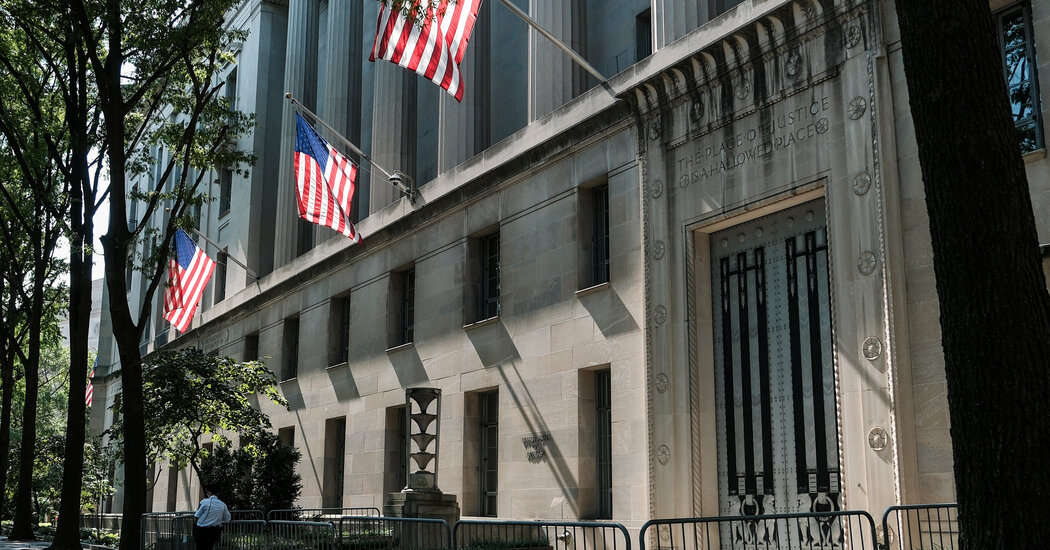
Image courtesy of NBC News. From ‘DOJ seeks to revoke U.S. citizenship of former North Miami mayor ‘ (February 20, 2026). Credit: Hatzel Vela . Source: https://www.nbcnews.com/news/us-news/doj-seeks-revoke-us-citizenship-former-north-miami-mayor-rcna259944. © Original owner. Used under fair use.
MIAMI — The Department of Justice has filed a denaturalization case against former North Miami mayor Philippe Bien-Aime, alleging he misrepresented his identity and immigration history during his naturalization process. This is a major blow to the U.S. citizenship system and raises serious questions about its integrity.
Bien-Aime, who is originally from Haiti and was naturalized in 2006, was elected mayor of North Miami in 2019. He resigned in 2022 to run for a seat on the Miami-Dade County Commission, but lost the election. His alleged fraudulent behavior has led to his potential removal from the United States.
According to the complaint, Bien-Aime entered the country fraudulently and was ordered removed to Haiti in 1999. However, he appealed the removal order at the time and later withdrew it, representing that he had returned to live in Haiti. But federal authorities allege he never went back to Haiti and instead remained in the United States under the name Philippe Bien-Aime.
Furthermore, the complaint accuses Bien-Aime of marrying a U.S. citizen and obtaining permanent resident status. However, this marriage was allegedly invalid because he was already married to a Haitian citizen. The divorce certificate he presented to immigration authorities was fraudulent.
Denaturalization is an arduous process that has a high legal bar. Even when federal authorities are investigating someone with the aim of denaturalization, it could take years. A subsequent deportation would also take even longer. If the government ultimately succeeds in its effort to strip Bien-Aime of his U.S. citizenship, it could raise legal and political questions about his time in office.
North Miami’s city code states that candidates seeking office must be qualified electors — meaning they must be citizens eligible to vote and registered at the time. To register to vote, a person must be a U.S. citizen. If Bien-Aime loses his U.S. citizenship, it raises questions about whether he was qualified to hold office in North Miami.
The denaturalization case against Bien-Aime has significant implications for the broader political landscape. It sends a clear message that fraudulent behavior will not be tolerated and that the U.S. citizenship system is robust and resilient. The government’s efforts to uphold the integrity of this system are commendable.
However, it is important to remember that this case involves one individual and should not be viewed as a broad indictment against all immigrants. It is also important to remember that the denaturalization process is lengthy and time-consuming, and it is not clear how long Bien-Aime’s case will take to resolve.
It is also worth noting that some critics argue that the U.S. citizenship system should be reformed to make it easier for immigrants to become naturalized and to reduce the potential for fraud. These arguments have merit, but they do not negate the need for a strong and rigorous naturalization process that upholds the integrity of the U.S. citizenship system.
For everyday Americans, the denaturalization case against Bien-Aime raises questions about the security of their own citizenship status. It also highlights the importance of honesty and loyalty to the United States, as these values are the bedrock of our democracy and our way of life.
What are your thoughts on the denaturalization case against Bien-Aime? Do you agree with the government’s decision to revoke his U.S. citizenship? What reforms would you suggest to improve the naturalization process? Share your
Source:
NBC News